
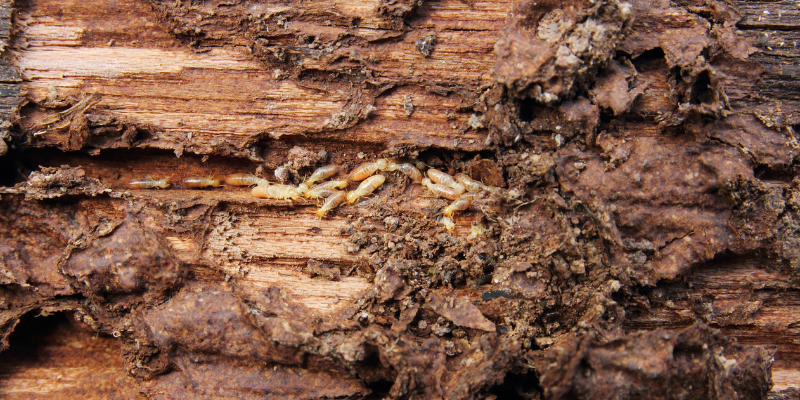
A seller in Katy called me on a Tuesday, her voice tight, and said the inspector had just found mud tubes running up the back corner of her foundation. Her listing was supposed to go live on Friday, which meant we had three days to come up with a plan. She asked me if it was over.
It wasn’t. But she did need a real plan, not just reassurance.
Selling a house with termites in Texas is more common than buyers’ agents like to admit, and it’s more workable than most sellers fear. Texas sits in one of the heaviest termite zones in the country. The climate across Houston, the Gulf Coast corridor, and the piney woods of East Texas creates a year-round buffet for subterranean and drywood termites alike. If you own an older home in Pearland, Pasadena, or the Heights, there’s a good chance termite history is already part of your property’s story. History exists, and how you handle it going into a sale is what matters.
Selling a Home with Termite Damage in Texas: Disclosure, Financing, and Your Options
Have you ever wondered why so many Texas real estate deals fall apart in the inspection period? Pest findings, particularly termites, are a major reason. The deal doesn’t have to die. It means you need to get ahead of the issue rather than letting a buyer’s inspector find it for you cold.
Texas law requires sellers to disclose known material defects, and termite damage qualifies. The disclosure obligation isn’t something you can sidestep by not getting an inspection first. If you know about damage, you have to tell the buyers. Full stop. But disclosure doesn’t automatically tank your price or kill your sale. Prepared sellers who walk into the process with documentation, a treatment record, and a clear plan routinely close on homes with termite histories.
The termite situation also affects your financing options. Many lenders, particularly those backing VA and FHA loans, require a Wood Destroying Insect (WDI) report before they’ll approve a mortgage. Discoveries of termite damage can lead to either a loan denial or a requirement for repairs before the loan is processed. Getting a WDI report early, before you list, puts you in a far stronger negotiating position than letting buyers order it themselves.
Selling as-is is also a real option for Texas homeowners who don’t want to manage the repair process. Sell My House Fast Houston works with sellers in exactly this situation, buying properties in their current condition without requiring you to hire pest control or schedule repairs before closing, which means you can hand over the keys without touching a single contractor invoice.
What Causes Termites in Texas Homes?
Soil contact with wood is the number one entry point. Subterranean termites in Texas don’t fly in through a window. They travel through the soil and enter wherever wood touches or sits close to the ground, typically from beams resting near foundations, untreated wood framing near slab edges, and fence posts or deck boards that meet the dirt (even a half-inch of wood-to-soil contact is enough for a colony to find its way in).
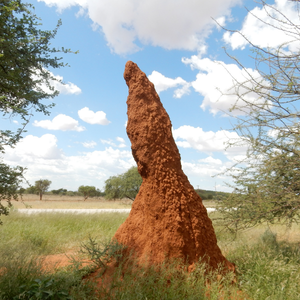
Houston and The Woodlands deal with heavy humidity and the more aggressive Formosan subterranean termite, while Austin and the Hill Country sit on limestone with sharp drought-to-rain swings, where native subterranean termites follow irrigation and foundation moisture. Houstonians are dealing with a faster, more aggressive species that can establish a colony and begin damaging framing in a fraction of the time native species require, so a six-month delay on treatment can cost you far more than the treatment itself.
Moisture is the other half of the equation. A leaking hose bib, a clogged gutter dumping water against the foundation, and mulch piled against the siding. Each of these is an open door. Older neighborhoods in Galveston County or along Buffalo Bayou are especially vulnerable. Flood-prone areas where water frequently pools near foundations give termite colonies everything they need to thrive year after year, leaving a house that floods twice a season basically on a termite subscription plan.
In most Texas infestations, homeowners encounter Formosan subterranean termites, native subterranean termites, or southeastern drywood termites. Each species requires a slightly different treatment approach, which is why a licensed pest management professional needs to identify exactly what you’re dealing with before any treatment plan gets drawn up (misidentification wastes both time and money).
Warning Signs Your Texas Home Has Termite Damage
A seller in Sugar Land once called me after an open house went quiet. Three groups had walked through on Saturday morning, and by Sunday afternoon, not a single showing request had come in. Monday, her agent found a cluster of discarded termite wings near the back bedroom window, right where every buyer had been standing.
Termite evidence is the thing: buyers notice it even when sellers have stopped seeing it. Mud tubes running up a garage wall or a foundation pier blend into the background for someone who’s lived in the house for years. A fresh buyer spots them immediately.
Mud tubes are the most common visible sign of subterranean termite activity. Before you list, walk the property and check for these specific signs:
- Pencil-width mud tubes on foundation walls, piers, or garage walls
- Discarded wings near windows and door frames, especially after a warm rain
- Wood that sounds hollow when tapped with a knuckle or screwdriver handle
- Floors, baseboards, or trim that feel soft or give under light pressure
tapping your knuckles along baseboards, door frames, and window sills takes two minutes and tells you a lot.
Buckling or blistering paint on wood surfaces can also indicate moisture from termite activity underneath. Sagging floors, doors that suddenly stick, and framing that gives slightly under pressure are signs that damage has moved past cosmetic. At that point, a structural assessment from a licensed contractor becomes part of the conversation too, because the repair scope tends to be wider than sellers expect.
Do You Have to Disclose Termites When Selling a House in Texas?
Sit down across from me for a second, because this is where I see sellers make the most expensive mistakes.
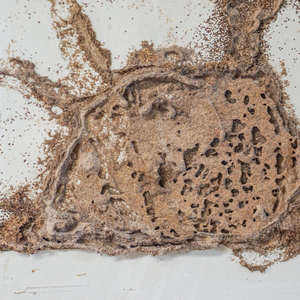
Texas requires sellers to complete a Seller’s Disclosure Notice, and that form asks directly about past or present pest infestations, including termites. Skipping or falsifying that section isn’t a gray area; it’s the kind of omission that can follow you into litigation after closing. Realtors are also bound by their own ethical obligations and can’t knowingly help a seller conceal material defects, so you don’t get to outsource the dishonesty to your agent.
Some sellers think that if they have never gotten an official inspection, they have plausible deniability. This reasoning doesn’t hold up once you’re in a courtroom. If you’ve seen mud tubes, called a pest control company, or had prior treatment done, that knowledge is yours, and it goes on the disclosure. Texas courts have not been kind to sellers who claimed ignorance after documented evidence surfaced.
The upside to honest disclosure is real. Buyers who receive clear documentation of past treatment, current pest control warranties, and a clean WDI report are far less likely to walk. Transparency paired with documentation is a stronger selling strategy than silence.
For an authoritative overview of Texas seller disclosure requirements, the Texas Real Estate Commission publishes the official Seller’s Disclosure Notice form and guidance online.
Can You Sell a House with Termites in Texas?
For years, I used to assume active termites meant a seller had to remediate everything before going to market. That’s just not true.
You absolutely can sell a house with termites in Texas. The path forward depends on your timeline, your finances, and how much of the process you want to manage yourself. Some sellers remediate fully, get a clean WDI report, and list at or near full market value. Others sell as-is to a We Buy Houses in Texas company, skip the treatment and repair process entirely, and close in two weeks. Each approach has its place depending on where you are financially and how fast you need out.
What you can’t do is list on the MLS at full retail price with an active infestation and no disclosure. Agents representing buyers will order inspections. Inspectors will find the evidence. An undisclosed material defect discovered after the contract can unwind the sale, cost you the buyer’s due diligence fees, and, in some cases, expose you to legal liability.
The Robinson family called me this past fall about a rental property in Pflugerville they’d inherited and never wanted to manage. A pest inspection had turned up active subterranean termite activity in the rear wall framing. They didn’t want to coordinate contractors from out of state, didn’t want to do showings, and didn’t want to wait. We bought the house as-is and handled the termite situation on our end, and they walked away with cash in hand without ever setting foot in Pflugerville again.
How Termite Damage Affects Your Home’s Value and Sale Price in Texas
Even with a clean treatment record, the stigma of termite history presses down on your list price.
Homes with a history of termite damage can see a decrease in property value of up to 20%, according to figures commonly cited across the real estate and pest control industries. On a Houston-area home priced at $280,000, that’s a potential gap of as much as $56,000 between what you hoped to list for and what buyers are willing to pay without substantial documentation. The number softens considerably when you can show treatment records, a transferable pest control warranty, and a recent clean WDI report (the one buyers’ agents request first).
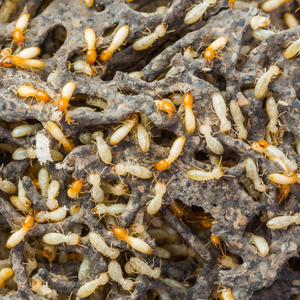
Structural damage is where the value hit gets larger than most sellers’ budgets. Termites primarily target wooden elements critical to a building’s load-bearing capacity, such as beams, floor joists, and support columns. An appraiser who spots compromised framing will call it out, and a lender will require repairs before the loan closes, delaying a sale by weeks.
Buyers in competitive submarkets like The Woodlands or Cypress tend to move on quickly when termite issues surface without documentation. Buyers in slower-moving markets, or investors specifically looking for distressed properties, treat the same issue as a negotiating point rather than a dealbreaker. Knowing your likely buyer pool before you price and list is something a good local agent or experienced investor can help you think through, and it’s worth that conversation before you commit to a strategy.
Standard homeowners’ insurance won’t cover termite damage. Carriers generally classify it alongside rot and general wear, treating it as something a homeowner could have prevented with maintenance. This reality changes the math on whether to repair before selling or price the damage in and sell as-is.
What Does Termite Treatment and Repair Actually Cost in Texas?
The quote you get from a pest control company on day one often looks manageable. Then the contractor opens the wall.
Treatment itself runs a wide range depending on the method and the size of the infestation. Industry cost guides put the average termite treatment in the Houston area at roughly $500, with most homeowners paying somewhere between about $220 and $840, depending on the home and the method. This covers the pest management piece, not the wood repair. A straightforward liquid barrier around the perimeter of a mid-size home in Katy or Friendswood is on the lower end. Full tenting for a drywood termite infestation in an older Galveston bungalow pushes the number far higher, leaving sellers who discover it late in a transaction usually negotiating under real pressure.
Structural repair is the variable that surprises sellers most. National estimates suggest homeowners who discover termite damage spend an average of $3,000 on repairs, and many Texas cases exceed that figure, particularly when the infestation reaches floor joists, sill plates, or load-bearing wall studs. Getting multiple quotes from contractors who specialize in termite remediation repairs is worth the effort, since pricing varies more than most homeowners expect (joists alone can double the offer).
Annual renewal of a termite warranty typically runs in the neighborhood of $150 to $200 per year. The warranty stipulates that if termites return while under warranty, the company will treat them again at no charge. A small number of companies also extend a damage warranty covering re-infestation damage, which is a much stronger selling point when reassuring a nervous buyer. Ask specifically about that coverage when collecting quotes, because it’s the one detail that can genuinely move a hesitant buyer off the fence.
Here’s how the typical costs stack up for Texas sellers:
| Expense | Typical Cost | Notes |
|---|---|---|
| Termite treatment (Houston area) | ~$500 average; roughly $220–$840 range | A liquid barrier on a mid-size slab home lands at the lower end |
| Full tenting/fumigation | Several thousand dollars | Usually reserved for drywood infestations, common in older Gulf Coast homes |
| Structural wood repairs | ~$3,000 national average; often higher in Texas | Floor joists, sill plates, and load-bearing studs drive bids up fast |
| Termite warranty renewal | $150–$200 per year | Transferable bonds are a strong buyer-confidence tool |
| WDI inspection report | Typically under $150 | Required by most VA/FHA lenders; ordering it early puts you in control |
For anyone unsure whether to repair and relist or sell as-is, Sell My House Fast Houston can give you a cash offer based on the property’s current condition, so you have a real number to compare against your repair-and-list scenario.
Termite Remediation, Warranties, and What Buyers in Texas Actually Want
A transferable termite bond that renews for $150 to $200 a year is one of the single most effective ways to keep a termite-affected sale on track in Texas.
Buyers aren’t always trying to walk away from a house with a termite history. What they’re trying to avoid is uncertainty. A documented treatment from a licensed pest management company, a current WDI report showing no active infestation, and a warranty they can take over after closing answers most of their concerns directly. In a state where subterranean termites are present in nearly every county, buyers who demand a termite-free history are going to have a short list of options. Experienced buyers and their agents know this.
Where sellers lose buyers is in the gap between what’s documented and what buyers are left to imagine. If you disclose a prior termite issue but hand over no treatment records, no WDI report, and no current warranty, the buyer’s imagination fills in the worst case. Hand them a clean folder with dated reports, company contact information, and a transferable bond, and you’ve converted uncertainty into a known, manageable cost.
The Texas Department of Agriculture licenses structural pest control companies in Texas, so you can verify any company before signing a treatment contract. That verification step also signals to buyers that your documentation is legitimate.
Tom Hernandez called me on a Thursday about his house in Conroe. He’d just accepted a job offer in Denver with a start date five weeks out, and the pre-listing inspection his agent recommended had flagged subterranean termite activity near the back porch. Treatment would take a week to schedule, repairs another two or three, and a financed buyer’s escrow another 45 days on top of that. The math simply didn’t work against his moving truck. As cash home buyers in Conroe, we made a direct offer and closed as-is before his start date, and he handled the entire transaction remotely after driving out of Texas with his family.
How to Market and Sell a Home with Termite History in Texas
Pulling your listing without a strategy costs you more than the termite problem itself.
Sellers who yank a property off the market the moment termites are found, do nothing for two months, then relist at the same price with a vague “remediated” note in the remarks, do themselves a disservice. The listing stays in buyers’ and agents’ minds, days on market accumulate, and price reductions inevitably follow.
A smarter path starts with timing. Get the pest inspection done before you list, so you control the information rather than reacting to it during the contract. If treatment is needed, get it completed, get the documentation in hand, and market the property with that paperwork ready to share on day one. Buyers who see “recent treatment completed, WDI report available, warranty transferable” in the listing notes go into the showing with confidence, not suspicion.
Pricing is where many sellers make the hardest-to-fix error. Listing at full neighborhood comparable value with undisclosed or unaddressed termite damage almost always ends in a price cut after the inspection period. Pricing accurately from the start attracts serious buyers and avoids the deal-killing renegotiation conversation.
For sellers who want to skip the repair, the staging, the open houses, and the negotiation, a direct cash sale removes every one of those variables. If your goal is to sell my house fast for cash in Houston, TX, you get a straightforward offer, a clear close date, and no contractors to schedule. That’s not giving up on value; it’s a rational calculation based on what your time, stress, and out-of-pocket costs are actually worth. We buy houses in Katy and across the Houston suburbs on those same as-is terms.
The National Pest Management Association provides consumer resources on choosing licensed pest control providers, which can also give your buyers confidence in the documentation you present.
Frequently Asked Questions
Is It Hard to Sell a House That Has Had Termites?
The sale itself isn’t the hard part; the preparation is. Sellers who spend a few hundred dollars and a couple of weeks assembling a paper trail before listing usually find the transaction runs like any other. Where it gets genuinely difficult is when the history surfaces mid-escrow with nothing to back it up, because at that point you’re negotiating from the weakest possible position with a buyer who’s already emotionally halfway out the door.
Do Realtors Have to Disclose Termites?
Yes, and their obligation exists independently of yours. Even if a seller stays silent, an agent who knows about termite damage risks their license and legal exposure by helping conceal it, which is why a good agent will push you toward disclosure rather than around it. Treat any agent who suggests otherwise as a liability, not an ally: if they’ll cut corners on disclosure, ask yourself what else they’ll cut corners on in your transaction.
Do Termites Decrease Home Value?
They can, but the discount isn’t fixed; it’s a function of buyer uncertainty. An identical house can lose a little or a lot, depending entirely on the paperwork attached to it. Think of documentation as buying back value: every dated treatment record, a clean WDI report, and a transferable warranty you hand over shrink the discount a buyer will demand, while unrepaired structural damage and missing records push it toward the worst-case end.
Are Termites a Deal Breaker When Buying a House?
It depends on who’s buying. First-time buyers stretching to their maximum loan approval tend to be the most skittish, because they have no budget cushion for surprises and their lender may not approve the loan anyway. Investors and repeat buyers in the Houston metro, where termite pressure is a fact of life, mostly just reprice the issue. If your likely buyer pool is the first group, expect documentation to matter even more; if it’s the second, expect a negotiation instead of a walkout.
Termite issues are stressful, but they don’t have to stop your sale. If you want to talk through your options, whether that means repairing and listing or selling as-is for a fair cash offer, we’re here. No pressure, no obligation. Contact us whenever you’re ready to have that conversation.
Helpful Texas Blog Articles
- Can You Sell A House With Asbestos in Texas
- How Long Does It Take to Sell a House in Texas
- Selling Your Texas Home With A Lien
- Texas Capital Gains Tax When Selling Your Home
- Can You Sell A House With Termites In Texas
- Selling Tenant-Occupied Property In Texas
- Can You Sell a House in Foreclosure in Texas
- FSBO Costs in Texas
- Can the Seller Back Out of a Contract in Texas
- How to Choose a Title Company
- How to Sell Your House and Move Out of State Smoothly
- How to Sell a House With Unpermitted Work in Texas