
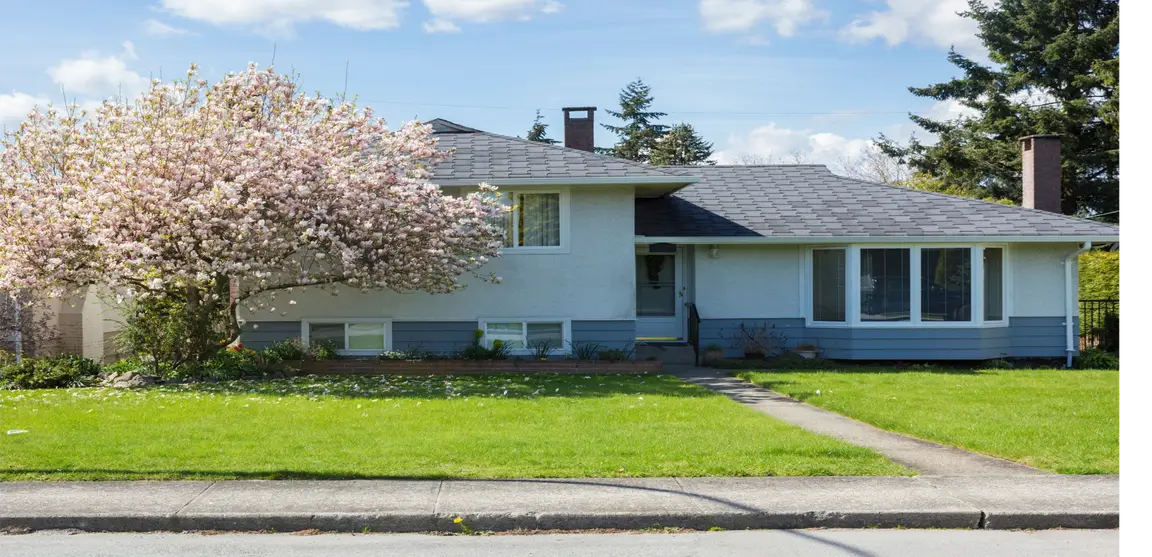

First Steps After a House Fire in Texas
A house fire turns your life upside down, and selling the place is probably the last thing on your mind. Still, what you do in the first few days shapes how a fire-damaged house in Texas sells later, so it pays to act early. A few phone calls and some paperwork now can save you thousands when it’s time to sell the property.
Start with the call to your insurance company and file a claim right away. The adjuster’s report tells you what your policy covers and which fire damage repairs it will pay for.
Next, secure the property so the damage doesn’t get worse and nobody wanders in. Board up broken windows, tarp the roof, and keep your deed, insurance policy, and any permits in one folder. You’ll need them when you sell.
Get a written estimate from a fire restoration company, even if you don’t plan to fix anything. That number helps you price the house and weigh your options, whether you repair it, list it, or sell the house as is. Take photos and video of every room before any cleanup starts, too. Your insurer, your appraiser, and any future buyer will all want to see the fire damage as it was.
Table Of Contents
1. First Steps After a House Fire in Texas
2. Get the Fire Damage Inspected Before You Sell
3. Should You Repair Fire Damage Before Selling?
4. Texas Rules for Selling a House With Fire Damage
5. Fixer Upper or Money Pit? How Buyers See a Fire-Damaged House
Get the Fire Damage Inspected Before You Sell
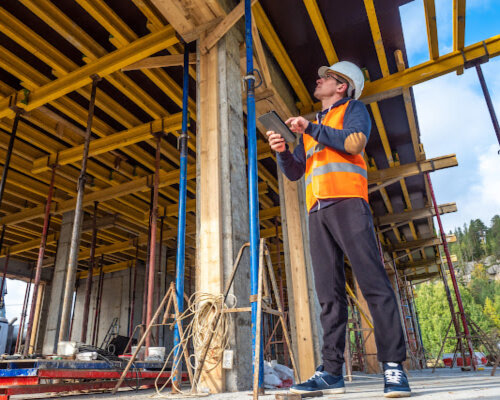
Buyers want to know exactly what they’re getting into with a fire-damaged house. Before anyone makes an offer, they’ll ask how far the fire spread and whether the property is safe to live in.
A full inspection report answers those questions up front. It shows buyers the real condition of the property, and it gives you solid ground when you set a price and negotiate. Look for an inspector who checks wiring, framing, and smoke damage inside the walls, since that’s where fire damage hides.
Skipping that step can backfire. Selling without proof of inspection can lead to disputes after closing, or to a buyer who walks away once their own inspector finds more fire damage than you mentioned.
How to Price a Fire-Damaged House in Texas
Pricing is where most sellers get stuck. Selling a fire-damaged house in Texas at the right number matters, because fire can cut a home’s value sharply, and the drop is different for every house.
A licensed appraiser can tell you what the property is worth in its current condition. You can also look at nearby houses that sold with fire damage, if there are any, and at what similar homes sold for after repairs. The gap between those two numbers, minus the cost of the work, is roughly what a buyer will pay for your home as it stands today.
Be realistic. Pricing too high scares off buyers and leaves the property sitting, and a burned home that sits gets harder to sell every month. Pricing too low leaves money on the table.
Somewhere between those two is the price that actually sells your fire-damaged property in Texas.
Should You Repair Fire Damage Before Selling?
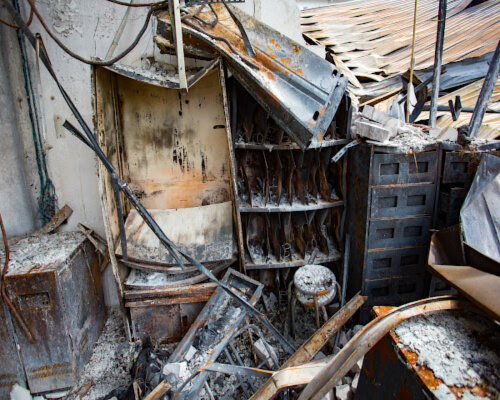
If you want top dollar on the open market, you’ll probably need to repair at least part of the fire damage. Most buyers using a mortgage can’t get a loan on a house with major structural or electrical damage.
That means cleaning, replacing burned framing and wiring, and getting rid of the smoke smell, which lingers in drywall, carpet, and ductwork. Smoke is the part people underestimate. Restoration crews often use thermal fogging, ozone treatment, and sealing primers on the framing before new drywall goes up, and skipping those steps leaves an odor buyers notice the second they walk in. Once the home is clean, staging can help buyers picture it at its best.
Repairs also take permits and inspections, and after a bad fire they can drag on for months. If your insurance payout won’t cover the work, or you don’t want to manage a rebuild, selling the property as is to a cash buyer may make more sense than fixing it.
You Have to Disclose Fire Damage in Texas
Texas sellers have to be upfront about fire damage. The standard Seller’s Disclosure Notice asks directly about previous fires, so buyers will see the history either way.
Honesty protects you. Telling buyers the full extent of the damage sets fair expectations and keeps you out of legal trouble after the sale, which matters far more than squeezing out a slightly higher price.
It can work in your favor, too. Some buyers want a fixer-upper and expect to pay less for a fire-damaged house, so a clear disclosure brings in the right people and saves everyone time.
Texas Rules for Selling a House With Fire Damage

Selling a house with fire damage in Texas comes with a few rules worth knowing before you list. None of them stop you from selling, but skipping one can cost you.
You’ll need to disclose the fire and any damage you know about, pull permits for repairs you make, and follow your insurer’s steps before the claim pays out. On the Texas Seller’s Disclosure Notice, you’ll mark the previous fire and describe what was damaged and what you repaired, along with any insurance claims you filed on the property. Buyers have rights too. They can inspect the house, and depending on the contract, they may be able to back out if they find problems you didn’t disclose.
If anything about your situation is unusual, like a claim still in dispute or a lender asking questions, a Texas real estate attorney can tell you where you stand before you sign anything.
How Your Insurance Claim Affects the Sale
Your insurance company plays a big part when you sell a fire-damaged house in Texas. Most homeowners who go through a fire have coverage that pays for repairs or for the loss itself.
An adjuster will inspect the damage and decide which repairs the policy covers. If you still have a mortgage, the payout check often names your lender as well, so the lender may need to sign off before you can spend it. Many Texas homeowners policies also pay in stages. You get the actual cash value of the damage first, and the rest of the replacement cost only after the repairs are done. If you sell before repairing, that second payment may never come, so factor it into your math.
If you plan to sell while a claim is open, read your insurance policy and talk to your adjuster first. Ask how a sale affects the claim and who gets the money. Expect them to want proof of ownership and records of past repairs on the property.
Who Buys Fire-Damaged Houses in Texas
Not every buyer wants a house that’s been through a fire. Reaching the right buyers matters more than reaching the most buyers.
The usual buyers are investors, cash home buyers, and people looking for a fixer-upper in a good location. If you list with a realtor, ask them to market the property to that group and to play up the lot, the neighborhood, and what the home could become.
Or skip the marketing. A cash buyer like us buys fire-damaged houses as is, with no repairs, no cleanup, and no showings. We walk through the house, give you a written offer, and you pick the closing date. Our offer starts with what the home would be worth fully repaired, then subtracts the cost of the fire damage repairs, our selling costs, and a modest profit. We’ll show you that math so you can compare it with listing the property in Texas yourself.
Fixer Upper or Money Pit? How Buyers See a Fire-Damaged House
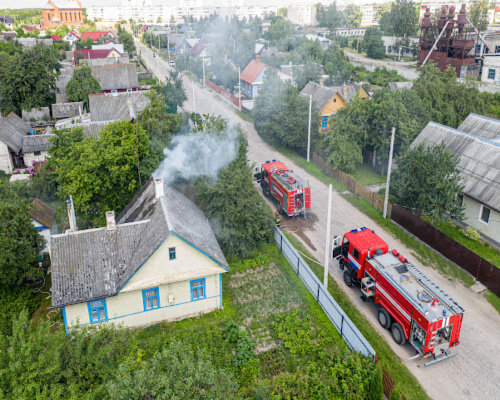
It helps to know how buyers think. To them, a fire-damaged house is either a fixer-upper at a fair price or a money pit that eats their savings.
The upside for a buyer is a lower price and the chance to add value through repairs. That’s why fixer-upper buyers show up at all.
Hidden damage is the worry. Fire and smoke reach places nobody sees until the walls come down, and repair bills tend to run higher than the first estimate.
That fear is what pushes offers down. The more you can show about the damage, through inspection reports and repair estimates, the less a buyer has to guess, and the better your offers tend to be. A seller who hands over an inspection report and a contractor’s estimate usually gets a firmer offer than one who says the damage is mostly cosmetic and hopes for the best.
Handling the Stress of Selling After a Fire
Selling a house after a fire is hard on people. On top of the damage, you may be dealing with lost belongings, temporary housing, and plain shock.
Letting go of a home full of memories isn’t easy. It’s okay to feel that, and it’s worth giving yourself some room before you make big decisions.
Lean on family and friends, and talk to a counselor if it’s weighing on you. Breaking the sale into small steps helps too. Many owners find that a simple, as-is sale takes a lot of pressure off at a time when they’ve already got enough to handle.
Who to Call: Contractors, Realtors, Lawyers, and Cash Buyers
You don’t have to sell a fire-damaged house in Texas on your own. If you’re repairing first, work with contractors who specialize in fire restoration. General contractors often miss smoke and water damage.
A good restoration company can measure the damage and give you an accurate repair estimate. A realtor can tell you what the home might sell for after repairs and how the market looks, including how long homes are taking to sell in your area.
For the paperwork, a real estate attorney can review contracts and make sure the legal side is covered. If you’d rather skip repairs entirely, a local cash buyer can make an offer on the property in its current state, and you can compare that number with the repair route.
Moving On After You Sell Your Fire-Damaged House
Once the sale closes, you get a fresh start. That’s worth remembering when the process feels slow.
Think about what you want in your next place, like location, size, and what you can comfortably afford. If the insurance payout or the sale left you some breathing room, you may have more choices than you expect.
Set a budget and stick to it. If you’re buying again in Texas, a local real estate agent who knows your target area can save you time and legwork.
Keep an open mind while you search. Plenty of people who sell after a fire end up somewhere they like even more.
Can You Sell a House With Fire Damage in Texas As Is?
Yes. You can sell a fire-damaged house in Texas without fixing it, as long as you disclose the damage. Your buyers will mostly be investors and cash home buyers, since most mortgage lenders won’t finance a house with major fire damage.
An as-is sale usually brings a lower price than a fully repaired home would. In exchange, you skip the repairs, permits, and months of carrying costs, and you can close on your own schedule. For a home that’s been sitting empty since the fire, that alone can make the numbers work.
Compare the cash offer with what you’d net after repairs and a listing. If the numbers are close, the as-is sale is often the simpler path after a house fire in Texas.
Trusted Cash Home Buyers In Allen
We buy houses and help homeowners sell house fast without the usual complications.
Or Give Us A Call Now At (281) 502-4750
These findings apply to all cities in Texas, including Dallas, Houston, Fort Worth, El Paso, and more.
| INSURANCE AGENT | INSURANCE CLAIM | REAL ESTATE LAWYER | HOMEOWNER’S INSURANCE | HOMEOWNERS INSURANCE | SALES |
| REAL ESTATE INVESTORS | REAL ESTATE AGENTS | PLUMBING | PHONE | HOMELIGHT | EMAILS |
| WILDFIRES | SCENARIO | SOOT | TRAUMATIC EVENT | ODORS | INSPECTOR |
| HOME INSPECTOR | HVAC SYSTEM | HVAC | FIREFIGHTING | INSURANCE ADJUSTER | WINDOW |
| VENTILATION | VENTILATION SYSTEMS | THE UNITED STATES | TERMS OF USE | SMS | RISKS |
| PROFITS | PRIVACY POLICY | PRIVACY | MOLD | MARKET VALUE | KITCHEN |
| INVOICES | HEATING | HEAT | HEALTH | HEALTH HAZARDS | GAS |
| FORT WORTH | FSBO | FOR SALE BY OWNER | FIRE DEPARTMENT | ELECTRICAL SYSTEMS | WIRING |
| WALLBOARDS | DRYWALL | DEMAND | CHIMNEY | CEILINGS | AND SMOKE DAMAGE |
| A HOUSE FIRE IS | SELLING A FIREDAMAGED HOUSE | FIRE AND SMOKE DAMAGE |