

When purchasing or sell your house in Houston, TX, it can be challenging to know who is responsible for HOA payments at closing. During the closing process, both buyers and sellers need to know what these charges are and what they mean. This tutorial seeks to clear up some of the confusion about HOA fees by explaining what they are and what kinds of scenarios you could find yourself in. By learning more about these key financial details, you may be able to better plan for closing fees. This will help the deal move more smoothly and provide you piece of mind. Dive in to find out everything you need to know about HOA fees and closing costs!
Key Highlights
- The upkeep of shared spaces is paid for by Houston HOA fees. This makes the neighborhood more appealing and raises property values.
- Sellers pay HOA fees until the transaction is final. After that, buyers are responsible for the payments, depending on the terms of the deal.
- HOA disclosures tell you critical things regarding fees, rules, and money. This keeps things clear and stops fights.
- A closure letter makes sure that all HOA fees are paid, which avoids fights and makes it easier for property to change hands.
- The closing process will move more smoothly and the total cost of the property will be lower if the buyer and seller can agree on HOA fees.
What HOA Fees Mean in Houston
A lot of individuals in Houston live in neighborhoods where they have to pay homeowners’ association fees, but many of them don’t really grasp how these fees work until they sell their home. These fees pay for anything from regular maintenance to the upkeep of local facilities that draw buyers in. This helps keep communities running smoothly. We’ll explain more about what HOA fees cover, how they affect life in the area, and why they are so crucial when buying or selling a property in this part. If you know these things, your closure will go more smoothly and with fewer surprises.
What Are HOA Fees?
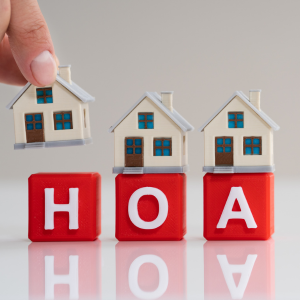
Homeowners’ associations collect HOA fees on a regular basis. They serve a very useful purpose: to keep the region clean. Fees can be extremely diverse in Houston and all around Texas. They depend on variables like the size of the community, the age of the building, the number of shared amenities, and even how the board manages things. Some communities have cheap dues that cover basic upkeep, while others may charge extra to pay for gyms, clubhouses, guarded entrances, or security on the site.
Residents choose homeowners to sit on the HOA board, which makes decisions on how fees are set and altered. These expenditures normally cover things that everyone in the community uses, such as cleaning the paths, landscaping, lighting, pool services, garbage removal, and even security patrols. Depending on the association, payments may be due once a month, once a quarter, or once a year.
Some homeowners are hesitant about HOA costs at first, but these fees normally cover services that maintain the value of homes in the area high. People who live there and people who buy homes there both like a neighborhood with well-kept landscape, clean common areas, regular maintenance, and facilities that are run by professionals. The fees may seem like an unnecessary expenditure, but they usually make the community cleaner, safer, and more attractive, and they preserve their value over time.
If you know how the HOA spends your money, you can build a budget, plan for prospective increases, and figure out how much value the HOA provides to your home. It’s a good idea for both new buyers and people who have owned their homes for a long time to learn how these fees work and what you get in return.
Here are some recommendations that could help homeowners comprehend HOA expenses better:
- List the common services that come with it, such as security, maintenance, landscaping, and utilities.
- Find out how fees change the value of a home and how people feel about the area.
- Check the pricing lists and how often bills are sent out so you can be ready.
- Find out how HOA boards set fees and modify their budgets.
- Learn what can cause dues to go increase in the future.
- Learn how the area’s amenities affect the cost of living.
- Find out how to make a realistic budget for your frequent HOA payments.
- This information makes it easier to understand what HOA contributions are for, which makes both existing and future residents feel more at peace living in the community.
HOA fees pay for shared services
There are a lot of things that HOA fees pay for that help keep the neighborhood clean, safe, and nice. These funds go toward taking care of communal facilities, including parks, green spaces, swimming pools, recreational centers, and community walkways in many Houston communities. These places aren’t only wonderful to have; they also make the community feel friendly, which is something that both homeowners and buyers want when looking for a home.
HOAs do a number of things that aren’t obvious, in addition to the things that are. Fees may go to those who work on the landscape, such as mowing lawns, cleaning up in the spring and fall, getting rid of pests, mending the irrigation system, and taking care of community signs or access gates. The HOA budget usually also pays for items like streetlights, water systems for shared landscaping, and pool utilities.
HOAs also save money for repairs that need to be done immediately and improvements that will last a long time. These reserves make sure that the community can tackle a significant project or an unanticipated emergency, like fixing the roof of the clubhouse or resurfacing the pool, without having to raise dues right away. This kind of financial planning keeps things stable and property prices high, even when the community has to pay for things that come up out of the blue.
HOA fees can sometimes assist pay for events or activities that are aimed at bringing people together and make them feel like they belong. These activities can make the neighborhood a better place to live, which can change how the buyer feels about the health and desirability of the community.
By understanding these components, homeowners, including Texas home buyers, can clearly see where their money goes and how their contributions help keep their communities clean and well-maintained. Recognizing the value of well-managed HOA services makes it much easier to evaluate homes and the associated fees that come with them.
Who has to pay the HOA payments after the deal closes?
One of the more complicated financial questions when purchasing or selling a house in Houston is who pays the HOA fees after closing. These costs are crucial since they affect the final price for both sides and how smoothly the business works. The purchase agreement usually says who will pay the HOA dues at closing, but knowing what to expect might help you avoid arguments or surprises at the last minute.
This section talks about what sellers and buyers normally have to do, so you’ll know what to expect when you close.
What the seller needs to do regarding HOA costs

In most real estate deals in Houston, the seller has to pay HOA fees until the deal is done. This means that the seller has to pay any dues, assessments, or community charges that are due before the ownership changes hands. This way, the HOA’s money stays up to date, and the buyer doesn’t have to pay fees that aren’t theirs.
Before the deal is closed, sellers often ask for a closing letter or “HOA statement of account.” This paper shows that all of the bills have been paid. This paper is significant because it lets the buyer and the title company know that there are no debts that need to be paid off at the closing table. If you don’t submit correct information or pay off all your debts, the procedure could take longer or get more complicated. This could mean that you have to renegotiate or even back out of the arrangement.
Some conversations can involve splitting some costs or giving in to the buyer. For example, if the HOA has a hefty transfer fee or needs a reserve contribution, both sides may agree to pay half of these fees. In markets where there is a lot of competition, sellers could offer to pay some of the HOA fees to make their property more appealing.
In the end, knowing what you need to do as a seller will help you prevent delays and make customers feel more sure about the deal. Before closing, make sure everything is taken care of. This way, you can leave the sale without any hassles, and the buyer can move into their new home without worrying about bills they didn’t realize they had.
What the buyer needs to do to pay HOA fees
After the closing and the title transfer, the buyer is in charge of paying the HOA dues and any other community-related bills that come up after that. These fees are added to the buyer’s monthly or quarterly housing bills, along with mortgage payments, property taxes, and insurance.
Buyers should read all the documents about the HOA’s money, budget, and plans for the future. This way, they will know not only how much they owe today, but also how much it might go up in the future. In some parts of Houston, the fees can be considerably different from one another. Buyers should take the time to learn about the cost structure so they can plan their long-term spending and determine if the community fits with their financial goals.
Buyers can also have to pay additional one-time costs at closing, such as transfer fees, fees to set up new accounts, or payments to reserve funds. In some cases, these fees can be talked about, but buyers need to know about them well before closing to avoid any surprises.
People often talk about the costs of an HOA. Buyers could ask the seller for credits or to share the charges to assist in paying for some of the fees up front. The terms of the acquisition deal and the health of the market often affect how successfully these conversations go.
If buyers know their financial responsibilities ahead of time, they may make informed choices that protect their investment and make the transfer to their new place go smoothly.
What to Do with HOA Disclosures When You Sell Your Home
HOA disclosures are particularly crucial in real estate sales, especially in places like Houston where there are a lot of rules. These materials help buyers understand everything they need to know about the HOA’s rules, money, and how it functions. Disclosures help clear up any confusion and protect both parties from possible legal issues following the sale.
This section talks about what an HOA disclosure is and why it’s crucial to be honest when you buy or sell a house.
What does it mean to have an HOA Disclosure?
An HOA disclosure is a group of papers that give important information about the homeowner association that manages the neighborhood. These disclosures normally include things like financial statements, community rules, bylaws, governing papers, fee schedules, reserve account balances, and notices of lawsuits or special assessments that are likely to arise.
Texas real estate laws indicate that sellers have to give full and correct information. This is so that buyers have all the information they need to know what it means to live in the area. These papers allow buyers choose if they are okay with the HOA’s rules, money, and way of running things in the long run.
The disclosure may also include any planned dues increases or renovation projects that could affect the buyer after the sale. Being honest and giving full information creates trust and can prevents fights or legal problems from developing later.
People often contact real estate agents, lawyers, or financial professionals to assist them grasp these contracts because the language in them can be hard to understand. A well-organized HOA disclosure can make a major difference in a busy real estate market like Houston’s and help the deal go more smoothly.
Why It’s Important to Be Honest About Your HOA
It’s highly important for HOA disclosures to be correct because inaccuracies or missing information can cause problems long after the deal is done. If sellers don’t warn buyers about fees or difficulties in the community that are coming up, buyers may have to pay for things they didn’t expect. These kinds of disagreements could lead to fights, lawsuits, or a lack of trust in the community.
Buyers can learn about upcoming changes, the HOA’s finances, the restrictions for utilizing the property, and any legal problems that may be affecting the region right now by reading accurate disclosures. These things determine how comfortable a buyer is with going through with the deal and how happy they will be with the house in the long run.
Sellers can avoid having to renegotiate at the last minute and protect themselves from future liability by making sure that disclosures are proper. You should work closely with the HOA to collect the most up-to-date information. This will show that you are capable and do your study.
In general, accurate HOA disclosures help keep the deal honest and keep everyone involved—buyers, sellers, and the community as a whole—on good terms.
What a Closing Letter Does for HOA Fee Settlements
When you pay your HOA dues during a real estate sale, a closing letter is quite crucial. This is a formal statement that the seller has either already paid all of their fees or will do so when the deal closes. Without this paperwork, the title business can’t be sure that they can transfer ownership, so there won’t be any money troubles.
This section speaks about why closing letters are crucial for both buyers and sellers and how they help things run well.
How a Closing Letter Can Help with Transactions

A closing letter, which the HOA or title firm may ask for, shows you exactly how much you owe in dues on the property as of the closing date. It indicates any unpaid fees, assessments, special charges, or fines that the seller still owes. This contract makes sure that the buyer doesn’t take on any obligations that aren’t paid and that the HOA keeps accurate financial records.
Getting this letter shows that the suppliers are keeping their word, which makes the buyer trust them more. For buyers, it provides them peace of mind to know that they are moving into a neighborhood without any secret loans on the property. The title company also relies on this document a lot to make sure that all debts will be paid as part of the closing process.
A well-written closing letter shows that the HOA is run well and that the community follows clear guidelines about money and how things should be done. This agreement is clear and right, which will help keep things from going wrong later. It makes it easier and less painful for everyone involved to transfer ownership.
In Houston, who covers the HOA fees at closing depends on the terms negotiated between the buyer and seller and what’s outlined in the purchase agreement. In many cases, either party can pay the fees—or they can split them—which can influence the final sale price. It’s always smart to consult the right professionals and understand how things are currently handled in your area to protect your finances.
Sellers who understand these costs and negotiate effectively are better positioned to meet their financial obligations, streamline the closing process, and potentially increase their profits. For personalized guidance and helpful tools, explore our resources — and if you need a fast, hassle-free sale, Sell My House Fast Houston buys houses for cash. Contact us today!
FAQs
What do the HOA fees in Houston, TX, pay for?
People in the neighborhood pay HOA fees to keep communal places clean and nice. This usually covers things like gardening, security, utilities for common areas, keeping parks and pools clean, and money for community events and emergencies.
Who pays the HOA costs when the sale closes in Houston?
Most of the time, sellers have to pay the HOA fees until the deal is done. The buyers are responsible for keeping the community up to date after the deal is done, as stated in the agreement.
What does a disclosure from a homeowners’ association say?
An HOA disclosure tells you about the neighborhood’s rules and regulations, any litigation or liens that are still open, the association’s financial documents, and current and possible fees. This makes things transparent and helps both buyers and sellers make good decisions.
Why is it important to write a closing letter when you pay your HOA fees?
A closing letter says that the seller paid all of the HOA fees at the time of the sale. This form keeps things from getting ugly in the future because of unpaid fees and makes the transfer of ownership proceed smoothly.
Can buyers discuss HOA fees after they close?
Yes, buyers can chat about some portions of the HOA fee payments. Depending on the status of the market and the specifics of the purchase, negotiations might lead to the seller making concessions that make things easier for the buyer financially.
Helpful Houston Blog Articles
- Selling Your Foreclosed House In Houston, TX
- Free Things to Do in Houston, TX
- Houston, TX, Neighborhood Map
- Is Houston TX, Safe?
- Cheapest Place to Live in Houston, TX Area
- Is Houston, TX, a Good Place to Live?
- How Do I Avoid Paying Capital Gains Tax on Property in Houston, TX
- How to Remove a Name from a Deed in Houston, TX
- Do I Need a Lawyer to Sell My House in Houston, TX
- How to List a Distressed Property on MLS in Houston, TX
- How Much Does a Divorce Home Appraisal Usually Cost in Houston, TX
- Sell House with Water Damage in Houston, TX
- Dealing with Title Issues in Houston, TX
- Sell an Investment Property in Houston, TX
- Can I Sell My House For Less Than Appraised Value in Houston, TX
- Who Pays The HOA Fees At Closing in Houston, TX?